For anyone who has dealt with a blocked drain more than once, the frustration is real. You try the usual methods, maybe a plunger, some chemical cleaner, or even a set of drain rods. But some blockages just refuse to shift. That is where a professional approach makes all the difference. Over the years, I have seen countless situations where a standard drain rodding job gets part of the problem but leaves the rest to harden into something far worse. That is when a hydro jetting service becomes not just a good idea, but the only real solution.
How High Pressure Water Jetting Actually Works
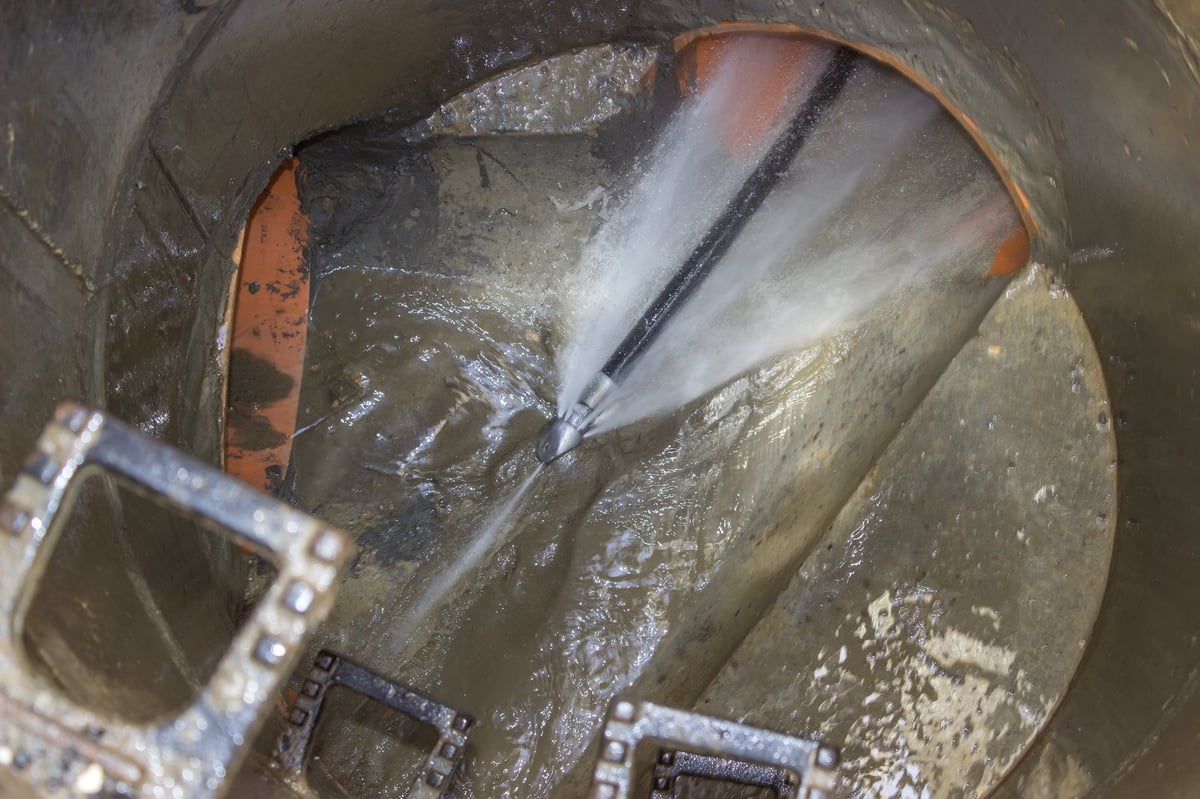
The principle is straightforward: a specialist jetting nozzle is pushed into the pipe, and water is fired through it at extreme pressure. But the real skill lies in how that pressure is applied. A standard garden hose does not come close. Professional equipment uses a water tanker mounted on a truck, capable of delivering water at pressures that can cut through grease, tree roots, and years of built-up sediment. The nozzle is designed to thrust itself forward while jets at the back wash away debris behind it. This method clears the full diameter of the pipe, not just a narrow channel through the blockage.
I recall a job in Essex where a residential drainage system had been slowly clogging for months. The homeowner had tried everything. When we arrived, the drain was barely trickling. We ran a CCTV drain survey first to see what we were dealing with. The camera showed a thick layer of fat and grit that had set like concrete. Drain rods could not break it. A hydro jetting service was the only option. Within twenty minutes, the pipe was flowing freely. The difference was night and day.
Why DIY Methods Fall Short
Most people do not realise how quickly a small blockage can turn into a major problem. A bit of kitchen grease goes down the sink, and it seems harmless. But grease traps in commercial kitchens fill up fast, and even in homes, the buildup is steady. Over time, that grease mixes with soap scum, hair, and other debris to form a solid mass. Drain rods can push through a soft blockage, but once that mass hardens, rods just slide past it or get stuck. High pressure water jetting blasts it apart from the inside.
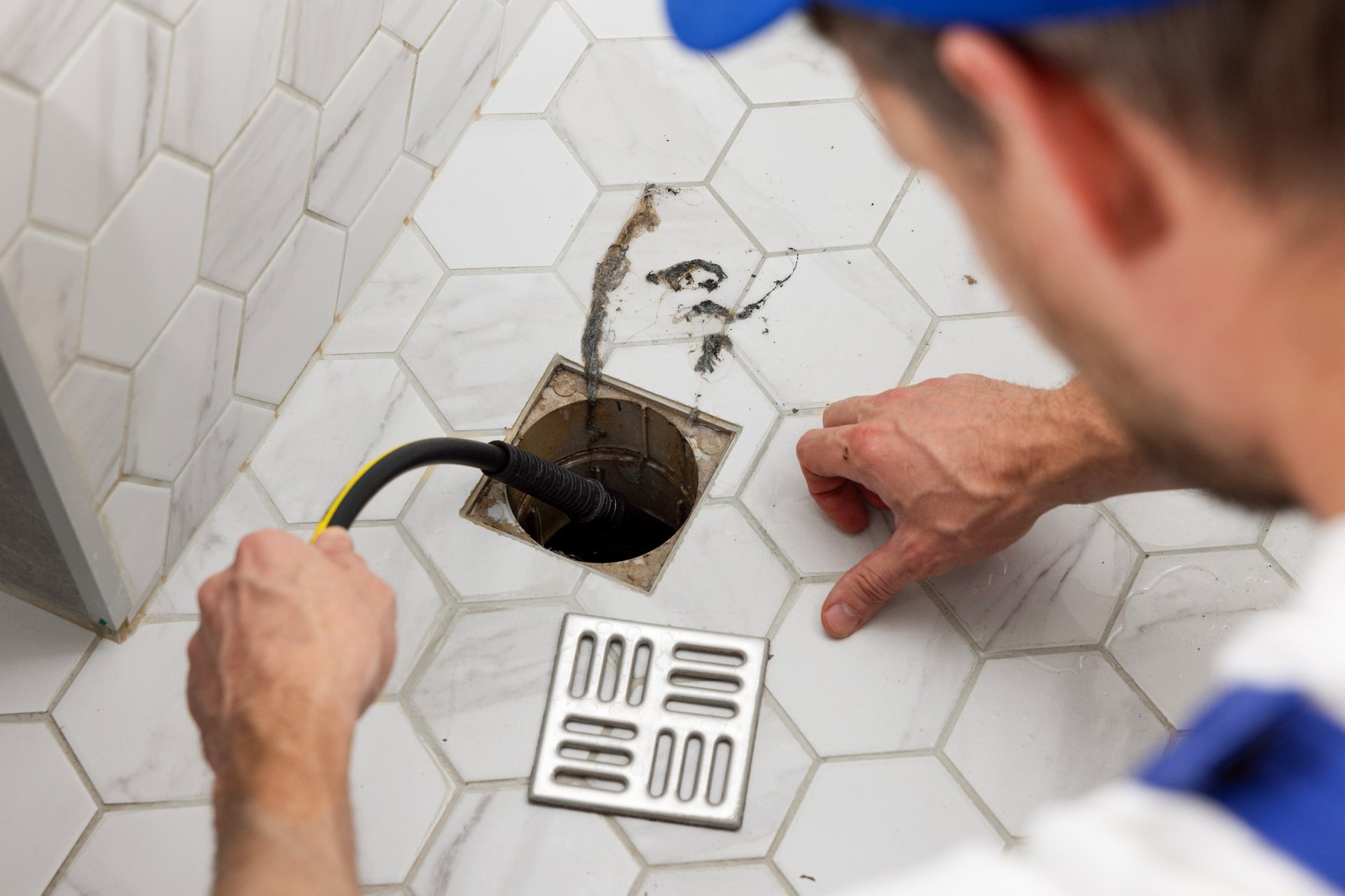
Another common issue is tree root intrusion. Roots find the smallest crack in a pipe and grow inward, eventually filling the pipe entirely. Cutting them with rods is temporary; they grow back. A hydro jetting service can cut roots and wash away the fragments, and when combined with a CCTV drain survey, you can see exactly where the problem is and decide if a more permanent repair is needed. That is something you cannot do with a plunger and a prayer.
Applications Across Different Drainage Systems
Drain cleaning is not one-size-fits-all. A blocked toilet in a home is different from a blocked storm drain on a commercial property. But hydro jetting works across both. For residential drainage, it clears kitchen sinks, bathroom drains, and main sewer lines without damaging the pipes. For commercial drainage, it handles larger volumes and tougher blockages. Restaurants, hotels, and industrial sites often have grease traps that need regular cleaning. A hydro jetting service can flush those traps and the pipes beyond them, preventing the kind of backups that shut down a kitchen.
Storm drains are another area where jetting shines. After heavy rain, leaves, mud, and litter can accumulate in surface water drainage systems. If those drains block, water has nowhere to go, and flooding follows. Regular sewer cleaning with high pressure water jetting keeps those channels open. In London and around the M25, where infrastructure is dense and rainfall can be sudden, keeping storm drains clear is a matter of public safety as much as convenience.
Emergency drain service calls often involve a hydro jetting unit because it is the fastest way to restore flow. When a business has a blocked drain and customers are complaining, there is no time for slow methods. A water tanker arrives, the jetting hose goes in, and within an hour the problem is solved. That speed is why many property managers keep a hydro jetting service on standby.
Choosing the Right Service Provider
Not all drainage companies are the same. Some offer cheap drain unblocking but use outdated equipment or inexperienced staff. A genuine professional will start with a CCTV drain survey to diagnose the problem, then choose the right tool for the job. If that tool is high pressure water jetting, they should have a modern water tanker and well-maintained jetting nozzles. They should also be transparent about pricing. In the Essex and London areas, services that advertise no callout fees are worth considering because they remove the anxiety of hidden charges. You know what you are paying before the work starts.
Another factor is the type of wastewater involved. A blocked sewer line carrying raw sewage requires different handling than a surface water drain. Good operators know the regulations for disposal of waste and use containment methods that protect the environment. They also carry insurance and proper waste disposal licences. Do not be afraid to ask about these things. A reputable company will be happy to explain their process.
When Jetting Is Not Enough
Hydro jetting is powerful, but it is not a cure-all. If a pipe has collapsed or is severely misaligned, jetting will not fix the structure. In those cases, the CCTV drain survey is essential for spotting the damage, and the solution may involve excavation or trenchless repair. Jetting can clean the pipe so the survey gets a clear picture, but the repair itself requires other skills. The best drainage solutions come from a company that can offer both diagnosis and repair, not just a single technique.
There is also a limit to what jetting can do for grease traps that have not been serviced in years. If the grease has hardened into a thick crust, the jetting nozzle may struggle to break through. In those cases, manual scraping or vacuum removal is needed first, then jetting to flush the lines. A good service provider will tell you this upfront rather than promising a quick fix that only half-works.
Maintenance vs. Emergency Response
One lesson I have learned is that regular maintenance is cheaper than emergency callouts. A scheduled hydro jetting service every six months or once a year keeps pipes clear and catches problems early. For commercial kitchens, grease trap cleaning should be more frequent, maybe every three months. For residential properties with trees nearby, an annual jetting and survey can prevent root intrusions before they cause a full blockage. The cost of prevention is a fraction of the cost of an emergency drain service on a weekend night.
That said, emergencies happen. A sudden backup in a basement or a flooded car park needs immediate attention. Companies that offer no callout fees and 24-hour service are worth noting before you need them. Knowing who to call saves time when water is rising. In the M25 corridor, where traffic can delay response times, having a local service that knows the area makes a real difference.
In my experience, the best drainage solutions combine the right equipment with honest assessment. A hydro jetting service is a vital part of that toolkit, but it is only as good as the person operating it. Look for experience, transparency, and a willingness to explain what they are doing. That is how you get a drain that stays clear and a property that stays dry.